
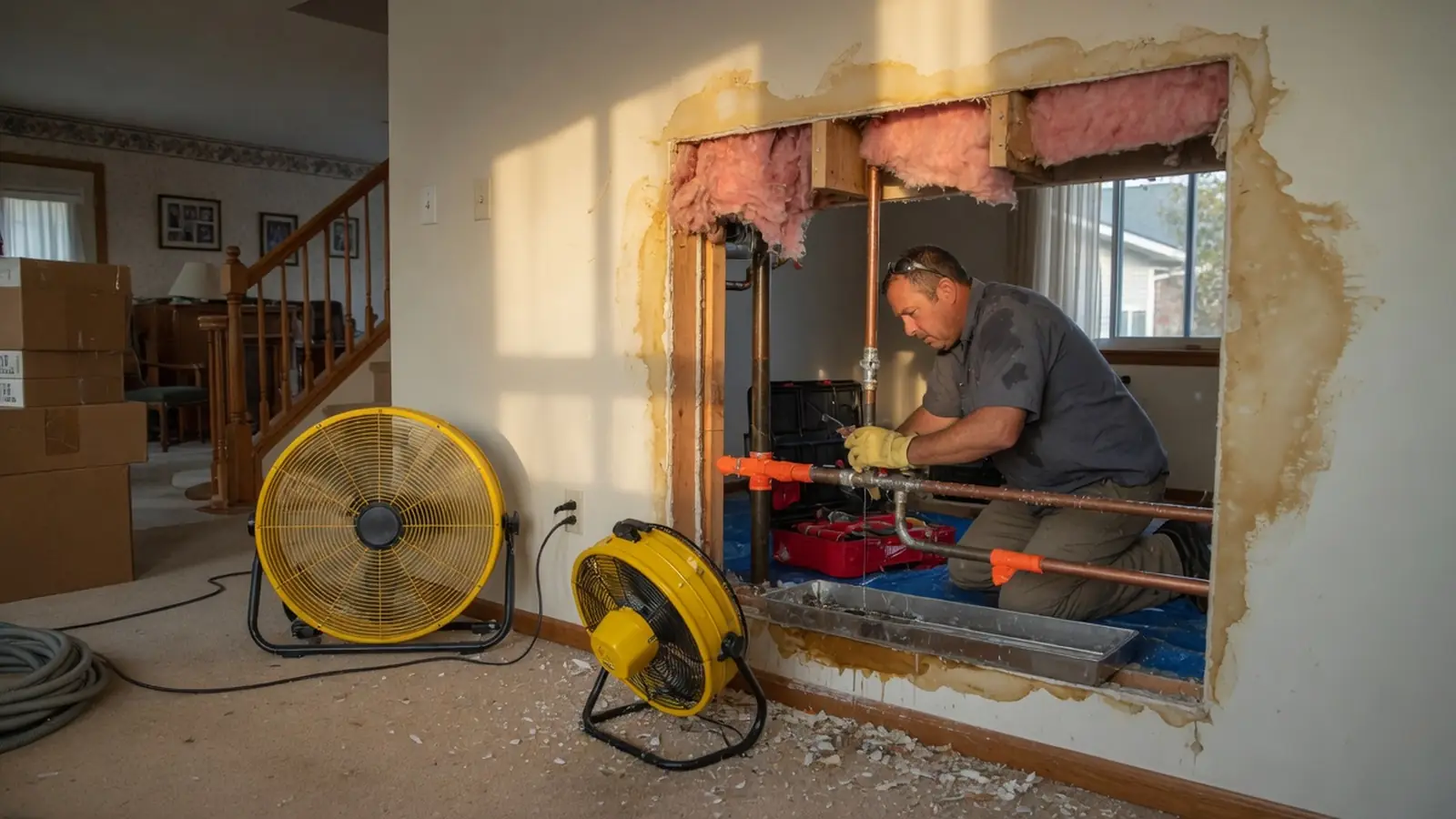
Ann Arbor Frozen Pipes
Homeowners facing sudden freeze-related pipe ruptures struggle to locate main shutoff valves quickly and need safe thawing methods to stop catastrophic interior flooding. Our emergency technicians arrive rapidly with thermal imaging and controlled thawing gear to halt structural water loss. We protect your interior finishes and restore steady plumbing performance.
To get someone out, call (734) 555-0132.
Prefer to talk? (734) 555-0132
Trusted Winter Water Restoration
Our restoration team specializes in rapid response for winter freeze events and pressurized plumbing failures.
The median owner-occupied home in the area was built in 1971 according to Census ACS 5-year data.
Census ACS 5-year estimates record 53,636 housing units across the local community.
About 12% of housing units in the market (6,557 of 53,636) were built since 2000, so a substantial share of the local stock is still on its original systems.
About 31% of housing units in the area (16,450 of 53,636) were built before 1960, the era of galvanized steel supply lines and cast iron drains.
When uninsulated pipes split behind plaster or drywall, our technicians focus on providing comprehensive residential water damage restoration across frozen homes to protect structural stability.
After a primary sump pump mechanical failure floods a finished basement, homeowners face urgent decisions regarding rapid water extraction, drying protocols, and gutting soaked drywall and carpet.
During a recent crawlspace freeze in the Old West Side neighborhood, we extracted three inches of standing runoff and preserved original floor joists without structural warping.
We deploy industrial desiccant dehumidifiers and calibrated moisture probes to guarantee every wall cavity reaches proper equilibrium before reconstruction begins.
How We Thaw And Restore Frozen Lines
Extended sub-zero winter cold snaps in Washtenaw County commonly freeze uninsulated copper supply lines running through drafty basement rim joists and exterior wall cavities. Our structured mitigation process halts water migration and restores structural materials.
- Emergency Isolation & Containment. Pipe rupture breaches typically go unnoticed while lines stay frozen solid, causing massive pressurized water release only once indoor heating begins thawing the ice plug. We immediately isolate the main supply line and set up high-capacity containment barriers to stop runaway water migration.
- Rapid Water Extraction. Our team begins by extracting standing water from basement flooding emergencies using submersible pumps and truck-mounted vacuum units. We remove standing water from floor cavities and salvage saturated carpeting.
- Controlled Thermal Thawing & Repair. Technicians inspect frozen lines using infrared cameras and apply controlled warm-air systems to melt ice dams safely without open flames. Once thawed, licensed plumbers repair damaged piping sections and replace split fittings.
- Structural Dehumidification & Sanitization. We position commercial LGR dehumidifiers and high-velocity air movers to extract bound moisture from wood framing and drywall. Antimicrobial treatments are applied across affected surfaces to prevent post-flood bacterial and fungal colonization.
Our Workmanship Commitment
Following a pipe rupture or plumbing leak, older home owners struggle to evaluate conflicting professional remediation estimates between dry-ice blasting and botanical treatments for active attic and basement mold. If saturated insulation or subflooring is discovered during inspection, we integrate specialized mold remediation and structural decontamination to prevent fungal growth before rebuilding. We stand behind our work with comprehensive moisture mapping documentation and transparent restoration standards to protect your residential investment.
Safe Pipe Thawing
We thaw frozen copper, PEX, and galvanized supply lines using temperature-controlled heat induction and warm-air convection equipment. This eliminates thermal shock, preventing pipe explosions and avoiding interior structural fire hazards.
Burst Pipe Repair & Extraction
When frozen lines split, our rapid-response crew isolates the leak and extracts standing water with commercial extraction units. We replace split plumbing sections and secure affected subflooring before rot develops.
Structural Cavity Drying
Water trapped behind basement rim joists and insulated wall cavities is dried using targeted injectidry systems and desiccant dehumidification. We track moisture levels daily to verify complete structural stabilization.
Dedicated Freeze Recovery And Structural Drying
We approach frozen pipe emergencies with disciplined moisture mapping, controlled thermal thawing, and industrial extraction equipment. Our technicians evaluate moisture migration through structural framing to ensure your home returns to safe, dry living conditions without hidden mould or framing decay.
- 14Zip Codes Served
- 6Service Areas
- 3Services Offered
Local property owners rely on our emergency drying and pipe restoration specialists when freezing temperatures threaten their homes. Read firsthand accounts of how our crew responds to urgent winter pipe ruptures with thorough care.
“Three months after our burst copper line was resolved, our basement walls show zero signs of lingering moisture or warping. The team handled the structural drying meticulously and verified everything with moisture meters before closing up. We have had complete peace of mind through every subsequent freeze.”
Derek K.
“When our shared wall pipe froze during a polar vortex, our condo association was anxious about equipment noise and hallway parking. The crew coordinated directly with the board, ran whisper-quiet commercial dehumidifiers, and kept the shared entrance completely clean. What could have been an HOA dispute went off without any friction.”
Rachel M.
“My elderly mother lives on our ground floor with two skittish rescue cats while our ceiling pipes ruptured. The crew set up containment zones carefully, taped down power cords to eliminate trip hazards, and kept the workspace calm throughout the extraction. Their patience and thoughtfulness kept my mother comfortable during a very stressful event.”
Julian S.
“A cheaper local bid proposed simply thawing the ice block and running a single household fan over the damp subfloor. This company showed us thermal imaging of wet insulation behind the drywall and took the time to dry the framing cavities properly. Paying for thorough remediation saved us from hidden rot and costly secondary teardowns.”
Brian H.
Frequently Asked Questions
How quickly should water extraction begin after a frozen pipe bursts?
Water extraction should begin within 24 to 48 hours to prevent structural rot, drywall collapse, and hazardous mold colony germination. Immediate removal of standing water stops capillary action from pulling moisture up wall studs and baseboards. Our response team brings commercial extraction equipment to clear pooling water within hours of line isolation.
Should I attempt thawing an exposed frozen copper pipe myself with an open-flame torch, or does that risk steam explosions and hidden structure fires?
Never thaw frozen pipes with open flame torches because extreme localized heat risks steam explosions and ignition of hidden wall framing. Direct torch flame heats trapped water rapidly, generating steam pressure between ice plugs that bursts copper pipes explosively. We apply controlled warm-air convection and pipe heating equipment that safely melts ice blocks without fire hazards.
Why do frozen pipes commonly burst only after the weather begins to warm up?
Pipes split while frozen solid, but water releases only when rising temperatures melt the ice plug that was temporarily blocking the breach. Expanding ice fractures metal pipe walls quietly behind insulated walls during severe cold snaps. When indoor heat warms the plumbing, the thawing ice plug dislodges, allowing pressurized municipal water to flood interior living spaces.
How can I tell if basement water is from a frozen pipe rupture or foundation seepage?
A burst supply pipe creates sudden, continuous pressurized spraying, whereas seasonal seepage seeps slowly through concrete during wet weather. Homebuyers and residents struggle to distinguish between normal regional groundwater dampness and severe foundation drainage failure causing chronic basement water intrusion. Burst plumbing releases gallons per minute regardless of rainfall, soaking drywall and ceiling panels rapidly.
What steps should homeowners take immediately when a frozen pipe ruptures?
Homeowners should immediately shut off the main water valve, open indoor faucets to relieve pressure, and call emergency mitigation crews. Locating your primary shutoff valve before cold snaps hit prevents thousands of gallons of interior flooding. Once the main valve is closed, turning on lower faucets drains remaining line pressure while our crew mobilizes extraction equipment.